How to Clean an Induction Cooktop Without Scratching It
To clean an induction cooktop without scratching it, let the surface cool for routine cleaning, remove loose crumbs, then use a soft damp cloth and an approved smooth-cooktop cleaner. Follow your manual's special spill instructions, and use a scraper only if it permits one.
On this page (9 sections)
- How do you clean an induction cooktop step by step?
- What supplies are safe for the glass?
- How do you remove burnt-on food without scratching?
- Can you clean the cooktop while it's still warm?
- How can you prevent scratches and cloudy marks?
- What should you avoid when cleaning induction glass?
- Does an induction cooktop need special cleaning?
- What if you need a separate cooktop for a small space?
- What's the easiest way to keep an induction cooktop clean?
To clean an induction cooktop without scratching it, let the glass cool for routine cleaning, remove loose food, and use a soft damp cloth with an approved smooth-cooktop cleaner. Follow the cooktop manual before using a scraper, and check its special instructions for spills that need prompt attention.
Regular cleanup after cooking helps keep residue from building up. Remove crumbs before wiping so grit doesn't drag across the glass, and dry the surface to reduce streaks.
How do you clean an induction cooktop step by step?
For routine cleaning, let the cooktop cool, remove loose debris, clean with a soft cloth, and dry it. Check the manual for approved cleaners and tools before treating a stubborn spill.
- Switch off the cooktop and wait until the surface is cool.
- Gently lift away loose crumbs with a soft cloth without dragging them across the glass.
- Wipe the glass with a damp, non-abrasive cloth.
- Apply an approved cooktop cleaner if grease or marks remain, following its directions.
- Buff with a clean dry cloth or paper towel if the cleaner's directions call for it.
Keep the cloth clean as you work. If it picks up grit, rinse it before wiping another part of the glass.
For general care, the same gentle approach works on many smooth cooktop surfaces, but your appliance manual takes priority. If you're still learning how induction surfaces work, read how an induction cooktop works.
What supplies are safe for the glass?
Use soft cleaning materials and a smooth-cooktop cleaner approved by your appliance manual. Avoid rough scrubbers and abrasive powders that can scratch or dull the glass.
A dedicated cooktop cleaning kit can combine cream, pads, and a scraper. Check the manual before using any included tool, since instructions vary by cooktop.
The Cerama Bryte Cooktop Cleaning Kit includes a 10 oz bottle, a POW-R Grip Pad Tool, a scraper, and 1 cleaning pad. Cerama Bryte describes its cleaner as non-abrasive and suitable for smooth cooktops, including induction.
Use the cleaner on a cool cooktop as directed. Cerama Bryte calls for a quarter-sized amount, rubbing with the included pad or a dry paper towel, then buffing and wiping clean.
The Weiman Glass and Ceramic Cooktop Cleaner Kit includes a 10 oz cleaner cream, 3 non-scratch scrubbing pads, and a razor scraper. Weiman describes the formula as non-abrasive and designed for glass, ceramic, and induction surfaces.
Use light pressure with the cleaner, and follow the cooktop manual before using the scraper. The blade is stored flipped inside the tool.
How do you remove burnt-on food without scratching?
Start with a soft damp cloth and a cleaner approved for your cooktop. If residue stays stuck, use a scraper only when the manual allows it and follow its blade angle, surface temperature, and pressure guidance.
Don't attack a spill with a knife, metal spatula, or rough scouring pad. Forcing a tool against the glass can scratch it or damage the surface.
Some cooktop kits include a razor scraper for stubborn food. Follow the appliance's instructions for its use, and don't pry upward against the glass.
If a spot won't lift, apply cleaner according to its directions, including any specified waiting time. Repeat a gentle wipe rather than pressing harder.
Can you clean the cooktop while it's still warm?
Wait until the surface is cool for routine cleaning. Use cleaning products only at the surface temperature their directions specify.
Induction heats compatible cookware, and the glass can still become hot from contact with the pan. Don't assume the surface is safe to touch just because the cooktop heats the pan directly.
Spills such as melted sugar or plastic may need prompt attention to prevent surface damage. Follow your manual's specific removal procedure and burn precautions rather than waiting automatically or touching hot glass.
For more on how induction heating and cookware interact, see induction cooktops explained.
How can you prevent scratches and cloudy marks?
Keep grit off the glass and use clean, soft materials. Lift cookware instead of sliding it, and remove crumbs before wiping the surface.
Use cookware with a clean, flat base. Check for rough edges or food stuck to the bottom before setting a pan down.
The Lazy K Silicone Induction Cooktop Mat is made from silicone and fiberglass and is intended for induction use only. Lazy K says it helps prevent scratches and sliding, but cookware must have a flat base and strong magnetic coating.
Use it only if your cooktop instructions permit a mat, and follow Lazy K's power-settings-only restriction. Don't use it with temperature settings or induction plate adapters.
Lazy K gives a heat limit of 480°F and warns that pans may heat more slowly or fail to register with weaker magnetic cookware. That heat limit does not mean every cooking task is suitable for the mat.
Never use this mat on a regular electric glass, gas, or coil cooktop. For help choosing other useful functions, see induction cooktop features worth having.
What should you avoid when cleaning induction glass?
Avoid abrasive pads, forceful scraping, and cleaners your manual does not approve. These can scratch or mark the cooking surface.
Don't spray cleaner into controls, vents, or gaps. Put cleaner on the cloth if the product directions allow it, and keep liquids away from openings.
Avoid cleaning powders, steel wool, and rough scouring pads. Don't mix cleaning products or use a tool to pry at bonded residue.
For repeated cloudy marks, check whether cookware bottoms are clean and whether residue remains after approved cleaning. A persistent mark may be surface damage, so don't keep scrubbing harder to remove it.
Does an induction cooktop need special cleaning?
It needs gentle glass care and the cleaning method specified in its manual. A soft damp cloth can handle light spills, while an approved cooktop cleaner can help with residue.
The cooktop's controls and surface may have different care instructions. Follow the manual for both, and avoid assuming that a cleaner safe for one appliance is right for another.
How should you clean induction cooktop controls?
Follow the manual's control-panel instructions and keep liquid out of openings. A glass cleaner approved for the cooking surface may not suit every control or trim material.
If you're comparing surfaces or appliance styles, induction vs. glass top stoves explains how they differ. Temperature control features are covered in induction cooktop temperature control.
What if you need a separate cooktop for a small space?
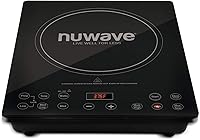
A countertop induction cooktop still needs gentle cleaning under its own care instructions. The Nuwave Precision 10.25-Inch Induction Cooktop has a ceramic glass heating surface and digital controls.
It measures 11.8 inches deep, 10.3 inches wide, and 2.3 inches high. Its single induction heating element uses a 6.5-inch coil, so don't confuse the surface size with the coil size.
A separate burner makes sense if you need another cooking spot, rather than a cleaning accessory. Compare its functions with the points in our guide to induction cooktop features worth having.
What's the easiest way to keep an induction cooktop clean?
For routine induction cooktop cleaning, use a clean soft cloth after the glass cools, adding an approved cleaner when residue remains. Follow special spill instructions promptly when your manual calls for them.
Choose a cleaner kit if you want cream and tools together, but check your appliance manual before using any scraper. Consider a mat only if the cooktop permits it and your cookware meets the mat's requirements.
Keep cookware bottoms clean and lift pans instead of sliding them. For the next step in understanding your cooking surface, read how an induction cooktop works.
Frequently asked questions
Can you clean an induction cooktop with vinegar?
Check your cooktop manual before using vinegar. For routine cleaning, a soft damp cloth is usually enough, while a cleaner made for smooth cooktops can help with grease or marks.
Avoid mixing cleaners, and don't use vinegar if your manual warns against it.
Can you use a razor blade on an induction cooktop?
Use a cooktop razor scraper only if your cooktop manual permits it. Follow the specified blade angle, surface temperature, and technique rather than guessing.
Work gently and stop if residue won't lift.
For routine cleaning, start with a soft cloth and an approved cooktop cleaner.
Should an induction cooktop be cleaned hot or cold?
Let the surface cool before routine cleaning. Hot glass can cause burns, and cleaners must be used at the temperature their instructions specify.
Some spills, such as melted sugar or plastic, may need prompt attention under special instructions.
Follow your cooktop manual's directions for those spills.
How do you remove cloudy marks from an induction cooktop?
Wait for the cooktop to cool, then buff the area with a clean, soft microfiber cloth.
If the mark remains, use a cooktop cleaner approved by your manual and follow its directions. Don't use abrasive pads or powders, and don't assume every cloudy mark is removable residue.