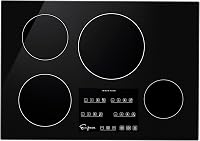
How to Use a Miele Induction Cooktop
To use a Miele induction cooktop, place a magnetic pan on a ring, press the power button, set the level, and confirm the pan is detected. Hold the child lock to release it first, and wipe the glass only after it cools.
On this page (10 sections)
- How do you turn on and release a Miele induction cooktop?
- Which pans work on a Miele induction cooktop?
- What do the power and boost settings do?
- How do you know the pan is detected?
- How do you use the timer and keep-warm features?
- How should you clean a Miele induction cooktop?
- Should you use a mat or protector on the glass?
- What habits keep a Miele induction cooktop working well?
- How does a Miele induction cooktop compare with a portable unit?
- What should you do first on a new Miele induction cooktop?
To use a Miele induction cooktop, place a magnetic pan on a cooking ring, press the power button, set a heat level, and wait for the pan to be detected. Release the child lock first, keep the glass clean, and let the surface cool before wiping it.
If you know the basic order, using a Miele induction cooktop is simple. The hob reacts only to magnetic pans, so detection and pan choice are most of the job.
This guide walks through controls, heat settings, power boost, and care.
How do you turn on and release a Miele induction cooktop?
Hold the power button for about two seconds, then choose a ring and set a level. Many Miele models include a child lock, so release it first.
On a locked cooktop, press and hold the lock key until the padlock symbol clears. The display wakes up when the lock releases, and the rings become selectable.
The lock is there to stop small hands and accidental taps, so it stays engaged until you release it deliberately.
After power-on, tap the ring you want and use the level controls to pick a heat setting. The display confirms the ring and the level you selected.
Work one ring at a time until the sequence feels automatic.
Turn each ring off when you finish cooking, then press the power button to switch the whole hob off. If the display stays dark, check that the cooktop is switched on at the wall.
Some models also show a residual heat indicator after a ring is switched off, so the surface can still be warm even when the ring reads as off.
Which pans work on a Miele induction cooktop?
Use cookware with a flat, strongly magnetic base. A magnet that sticks firmly to the pan bottom is the simplest check before you buy or cook.
Cast iron and most magnetic stainless steel pans work well. Plain glass, ceramic, copper and aluminum pans do not react to induction without a magnetic base layer.
A pan with only a thin magnetic coating can confuse detection, so test the bottom with a magnet before relying on it.
A pan that wobbles or has a domed base can lose contact and switch the ring off mid-cook. Choose flat bottoms that sit fully inside the ring outline for even heat.
How do you set heat levels for different foods?
Set the level to match the job, not the pan. Low settings suit simmering sauces and melting butter, while medium to high levels handle searing and boiling.
Start lower than you think you need; induction responds quickly. Bring water to a boil on a high level, then drop to a simmer setting so the pot does not boil over.
Because the glass itself stays cooler than the pan, the food reacts fast once you change the level.
Use the display to confirm the level on the active ring. If a ring switches itself off, lift the pan and set it back down so detection can restart.
What do the power and boost settings do?
PowerBoost gives one ring a short burst of extra heat, useful for bringing a large pot of water to a boil faster. It is a short-term setting, not one to leave running.
Use boost only when you need speed. After the water boils or the pan heats, step down to a normal level so the food cooks evenly.
Leaving a pan on boost for a long stretch is the quickest way to scorch the base.
Some Miele models also offer a keep-warm or melt setting for gentle, steady heat. Check your model's control layout, since key positions vary between series.
If two rings share a power supply, boost on one may limit the other. Plan large meals so the rings you need most get the boost.
Check your model's manual for how many rings can run at full power at once.
How do you know the pan is detected?
The ring display shows a level or a pan symbol once the cooktop senses the pan. A ring with no pan, or with a non-magnetic pan, stays inactive.
Place the pan centered on the ring marking. If the display does not respond, check that the pan base is flat and magnetic, then lift and reset it.
Induction rings recognize cookware by size as well as material. A pan much smaller than the ring may not trigger detection; use cookware close to the ring's marked diameter.
A pan that overhangs the ring can still work, but the heat will focus on the area in contact.
If the ring still will not start, confirm the cooktop is unprotected and the power is on. Then try a different magnetic pan to rule out the cookware.
Detection problems are almost always a pan issue rather than a fault in the hob.
How do you use the timer and keep-warm features?
Set the timer for the ring you are cooking on, so the hob switches it off when the time runs out. Timers are useful for rice, simmered sauces and slow reductions.
Select the ring, then adjust the timer controls to the minutes you need. The display counts down and the ring stops when the time ends.
Confirm the timer is set to the correct ring before you walk away, since a timer on the wrong ring will shut off the wrong pot.
Keep-warm holds a low, steady temperature for plated food or a finished pot. Use it briefly; it is not designed for long storage of cooked food.
For longer holds, move food to a warm oven instead.
How should you clean a Miele induction cooktop?
Let the glass cool, then wipe it with a soft cloth and a small amount of non-abrasive cleaner. Wipe up spills before they bake on, and buff dry for a clear finish.
For burnt-on spots, use a plastic scraper at a low angle after the surface cools. Avoid abrasive pads, scouring powder and sharp metal tools that can scratch the glass.
The glass holds heat for a while after cooking, so give it time before you touch it.
Which cleaner fits a glass induction top?
The Weiman kit pairs a non-abrasive cream with a scraper and a scrubbing pad. It is built for glass, ceramic and induction surfaces and buffs to a clear shine.
The razor scraper stores its blade flipped inward for safety; turn the dial to loosen it, flip the blade out, and re-tighten before use.
The Cerama Bryte kit takes a similar approach with a 10 oz cleaner, a scraper and a grip pad. Its formula contains no phosphates or silicone and is labeled for induction and glass cooktops.
The kit includes four pieces in all: the cleaner, the grip pad tool, the scraper, and a cleaning pad.
Either kit works for daily upkeep. Use a quarter-sized amount of cleaner on a cool surface, rub gently, and buff with a dry paper towel or microfiber cloth.
Should you use a mat or protector on the glass?
A silicone mat can guard the glass from scratches and stop pans sliding, but only on an induction cooktop and only when you cook by power settings. It is not an adapter for non-induction pans.
The Lazy K mat is silicone and fiberglass and rated to 480°F. Its maker warns against use on electric glass, gas or coil cooktops.
It should not be used with temperature settings or as an induction plate adapter, and it will not make non-induction cookware work.
Skip the mat if your pans already sit steady and you prefer direct contact between pan and glass. It can also slow heating when a pan has a weak magnetic base.
Used correctly on a compatible induction top, it doubles as a pot holder and can go in the microwave or oven up to its rated heat.
What habits keep a Miele induction cooktop working well?
Keep the rings and pan bases clean and dry, and choose flat magnetic pans so detection stays reliable. Wipe splashes after each session rather than letting them set.
Leave space around the cooktop for airflow, and follow the model's clearance guidance for built-in installation. Good ventilation helps the internal fan keep the electronics cool.
Check the glass for cracks or chips and stop using a damaged ring until it is assessed. A clean, flat surface also helps the hob sense the pan quickly.
For buyers still comparing models, our guide to the best induction cooktop covers the main types and features. If running costs matter, see how much electricity does an induction cooktop use before you decide.
How does a Miele induction cooktop compare with a portable unit?
A built-in Miele gives you several rings and integrated controls, while a portable unit gives you one or two rings you can move. The basic cooking steps are much the same.
Portable models often use simple power settings rather than numbered levels. If you are learning on a small unit first, our guide to how to use a Nuwave Precision Induction Cooktop covers that control style.
A portable hob can also travel. Our post on whether you can use an induction cooktop for camping explains what you need for outdoor use.
What should you do first on a new Miele induction cooktop?
Read the model's quick start page, then run one ring with a pot of water to get used to the controls. Confirm pan detection, the level display and the child lock before cooking a full meal.
Start with a simple boil, then try a simmer and a sear so you learn how the levels feel. Keep a magnetic pan and a soft cloth nearby as your two essentials.
When you know how to use a Miele induction cooktop, the routine is short: place the pan, release the lock and power on, set the level, and clean the glass once it cools. Pick a magnetic pan first, then add a glass-safe cleaner for everyday upkeep.
Frequently asked questions
What pans work on a Miele induction cooktop?
Use cookware with a flat, magnetic base. Touch a magnet to the bottom; if it sticks firmly, the pan should work.
Most cast iron and magnetic stainless steel pans qualify, while glass, ceramic, copper and aluminum pans without a magnetic layer do not.
How do I clean a Miele induction cooktop?
Let the surface cool completely, then wipe with a soft cloth and a small amount of non-abrasive glass cooktop cleaner. Use a plastic scraper for burnt-on food and buff with a dry cloth.
Avoid abrasive pads and never spray cleaner directly on the glass.
What is a Miele induction cooktop's power setting for?
PowerBoost gives one ring a short burst of extra heat for quick boiling. Use it to bring water to a boil faster, then drop back to a normal level for cooking so you do not waste energy or scorch the pan.