Electric vs Induction Cooktop: Which Should You Buy? (October 2026)
Choose induction for quick heat changes and a cooler cooking surface; choose conventional electric for broad cookware compatibility. Your pans, power connection and kitchen plan help settle the electric vs induction cooktop choice.
On this page (8 sections)
- Electric vs induction cooktop: how does each one heat food?
- Which cooktop works with the pans you already own?
- Does induction save electricity compared with conventional electric?
- Is induction easier to clean and safer to use?
- What should you check before setting up a cooktop?
- Who should choose a portable induction burner?
- What mistakes should you avoid when choosing?
- Electric vs induction cooktop: which should you buy?
Choose induction for quick heat changes and a cooking surface that stays cooler; choose conventional electric for cookware flexibility. The electric vs induction cooktop choice comes down to your pans, cooking habits, electrical setup and plans for the kitchen.
Both types use electricity, and either can be built into a kitchen. Induction transfers energy to compatible cookware through a magnetic field, while conventional electric heats an element or glass surface that then warms the pan.
The difference matters most when you change heat, clean spills, or replace cookware. If you want to try induction without changing the whole kitchen, a portable burner can be a smaller first step.

 Best for kitchen remodels
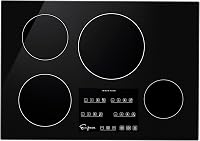
Empava Ease 30-Inch Built-In Induction Cooktop
Electric vs induction cooktop: how does each one heat food?
Induction heats compatible cookware directly, while conventional electric heats an element or surface first. That changes how quickly a pan responds and how much heat remains in the cooking surface after you turn it down.
With induction, a magnetic field transfers energy to the pan's base. The glass can still become hot through contact with the pan, but it isn't the primary heat source.
A conventional electric element warms up and transfers heat through the cooktop surface to the pan. The element and glass hold heat after you lower the setting, so a pan may keep cooking for a while.
How does the electric vs induction cooktop respond to heat changes?
Induction usually responds more quickly when you raise or lower the setting. That helps when a sauce begins to boil too hard or you need to reduce heat quickly.
Conventional electric changes more gradually because its element and surface retain heat. That can be useful for steady cooking, but you may need to lower the setting before food reaches the point where you want it to stop cooking.
Your results also depend on the pan and the cooktop controls. If fine temperature changes matter for your cooking, see our guide to induction cooktop temperature control.
Which cooktop works with the pans you already own?
Conventional electric accepts a broader range of cookware; induction needs a magnetic base. Check the pans you use most before choosing induction, especially if you have a collection of aluminum, copper or glass cookware.
Cast iron and many stainless-steel pans with magnetic bases can work on induction. Aluminum, copper and glass pans generally won't work unless they have an induction-compatible base.
Try a magnet against the bottom of each pan. A strong hold is a useful first check, but also follow the cooktop manual for any size or cookware restrictions.
If you need a portable burner for an induction trial, the Duxtop 8100MC uses a standard 120 V, 15 A supply and has separate power and temperature settings. It needs magnetic cookware, and its auto-pan detection shuts it off if it does not detect a pan.
A magnet check may reveal that only a few pans need replacing. If many of your favorite pans are incompatible and you don't want to replace them, conventional electric is the simpler fit.
Does induction save electricity compared with conventional electric?
Induction transfers heat to the pan without first heating a separate element, but household energy use depends on the cooktop and how you cook. A general efficiency claim doesn't predict the difference in your utility bill.
Cooking time, pan size, food quantity and heat setting all affect how long a cooktop draws power. The energy use of a specific model is more useful than a broad claim about all induction or electric cooktops.
Compare the exact models and their power requirements when estimating running costs. Keep the cost of compatible cookware and any electrical work in the same budget conversation, since those are separate parts of a possible switch.
Our guide to induction cooktop electricity use explains what affects consumption and how to think about running costs.
Is induction easier to clean and safer to use?
Both types can have a smooth glass surface, but induction is less likely to bake spills onto the surface because it heats the pan directly. The glass can still get hot, so follow the cooktop's safety instructions.
On a conventional electric cooktop, spills may cook onto a hot element or glass surface. With induction, less heat comes from the cooktop itself, but a hot pan can warm the area beneath it.
Turn off the cooktop and wait for hot areas to cool as the manual directs. Use a soft cloth and cleaning products approved for the surface, and avoid abrasive pads that can scratch glass.
For practical care steps, see how to clean an induction cooktop without scratching it. Keep pan handles turned away from walkways and use care when moving a hot pan on either type.
What should you check before setting up a cooktop?
Confirm the fit, electrical connection and installation method before buying either type. A cooktop that matches the visible width of your old one may still have different cutout or wiring needs.
For a built-in model, measure the counter opening and check the installation instructions for clearances and electrical requirements. Some induction cooktops need hardwiring or a dedicated circuit, so arrange the right connection before installation.
A portable induction burner has a simpler setup: place it on a stable, heat-safe counter and connect it as its manual directs. Keep the cord away from hot cookware, and leave the ventilation space the unit requires.
The Empava Ease is a 30-inch drop-in induction cooktop with four heating zones and hardwired installation. Its boost mode and independent zone timers suit a kitchen plan that includes a compatible connection.
For built-in induction, review what to check before installing a cooktop. If you're uncertain about the circuit, cutout or connection, have a qualified electrician check the installation before you order.
Who should choose a portable induction burner?
Choose a portable induction burner if you want one extra cooking zone or a low-commitment way to try induction. Skip it if you need several burners at once or don't have compatible pans and counter space.
The Duxtop E210C2 has touch controls, a safety lock, and automatic pan detection. It uses 120 V and offers multiple power and temperature settings, but its single heating element is best for one pan at a time.
Set it on a steady, heat-safe surface with room around it for ventilation. Keep steam and splashes away from the controls, and check that the pan base meets the manual's requirements before cooking.
For more countertop choices, compare the best portable induction cooktops. If you need two portable zones, see the double induction cooktop guide.
What mistakes should you avoid when choosing?
The biggest avoidable mistake is buying induction before checking your cookware and electrical setup. A short checklist can prevent a cooktop that doesn't fit your kitchen or cooking habits.
- Don't assume every stainless-steel pan works on induction. Check the base with a magnet and confirm the pan's compatibility.
- Don't confuse the glass surface with the heating method. A radiant electric cooktop can look like induction, but it heats differently.
- Don't assume a plug-in burner and built-in cooktop need the same setup. Check the connection and installation instructions for the exact unit.
- Don't expect induction to eliminate hot surfaces. The cookware heats, and it can transfer heat back to the glass.
- Don't compare energy use using a single broad efficiency figure. Consider the models, pan, meal and cooking time.
These checks also help you decide whether to make a full replacement now or start with one portable burner.
Electric vs induction cooktop: which should you buy?
Choose induction if quick heat changes and a cooler surrounding surface matter enough to use compatible cookware. Choose conventional electric if keeping your current pans and having broad cookware flexibility matter more.
Pick a portable induction burner for one extra zone or a small trial. Pick a built-in induction cooktop when the counter fit, wiring and installation plan are ready; stay with conventional electric if the change would require more cookware or electrical work than you want to take on.
Start by checking your pans, then confirm the connection and available space. For more help comparing options, browse Induction Top's cooktop brand and matchup guides.
Frequently asked questions
Is induction better than electric cooktops?
Induction may suit you better if you want quick changes in heat and have compatible cookware. Conventional electric works with a wider range of pots and pans, so it can be easier to keep using the cookware you already own.
Compare the exact cooktop's power, controls and installation needs before choosing.
Do induction cooktops use electricity?
Yes. Induction cooktops use electricity to create a magnetic field that heats compatible cookware.
A conventional electric cooktop also uses electricity, but heats its element or glass surface first.
Check the exact model's power requirements and your kitchen circuit before installation.
Can you use regular pans on an induction cooktop?
Only pans with a magnetic base work on induction. Test a pan by seeing whether a magnet sticks firmly to its bottom, and check the cooktop manual for any size limits.
Conventional electric cooktops generally accept cookware without that magnetic requirement.
Does induction cook faster than electric?
Induction can heat compatible cookware quickly because the pan receives energy directly. Conventional electric first heats an element or glass surface, which can take longer to respond.
Actual cooking time depends on the pan, food, power setting and the specific cooktop.
Is a glass-top stove the same as induction?
No. Both can have a smooth glass surface, but a conventional radiant glass-top stove heats the cooking surface, while induction heats compatible cookware through a magnetic field.
See our induction vs glass-top stove comparison for the practical differences.